AI Marketing for Painters: How to Win More Jobs Without Hiring a Marketing Team
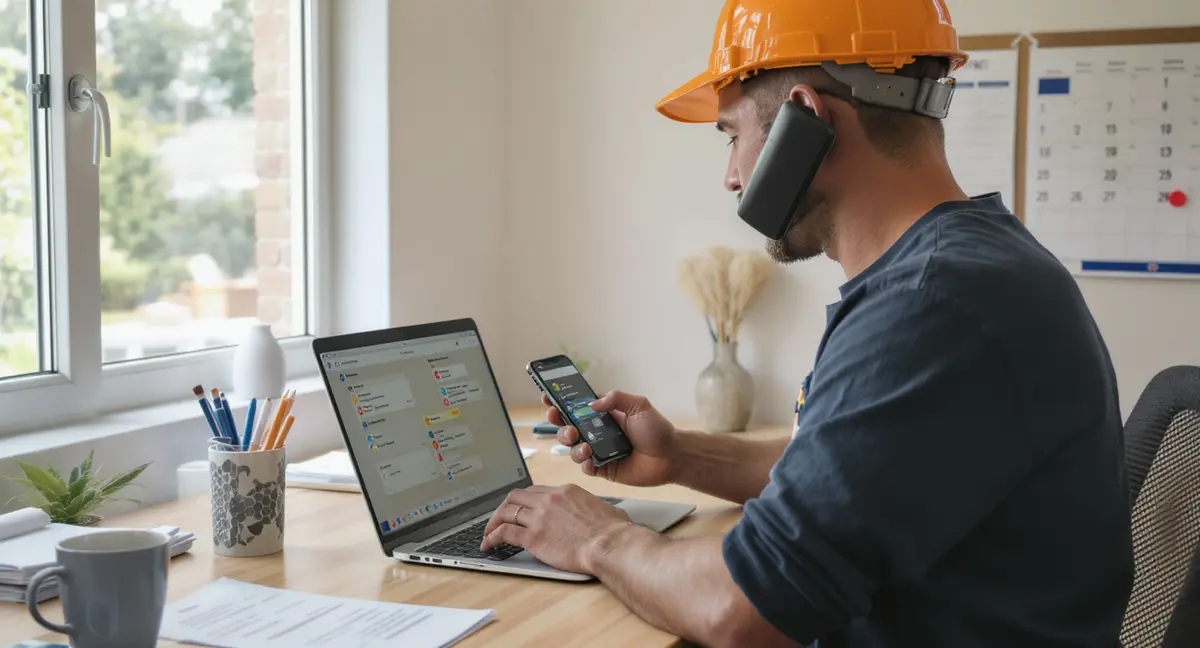
AI marketing for painters is changing how painting businesses attract customers, close estimates, and grow revenue. Most painting contractors still rely on word-of-mouth referrals and paid ads that stop working the moment you stop paying. Meanwhile, competitors who adopt AI-powered marketing systems are answering leads in under 60 seconds, converting estimates at twice the industry average, and showing up first when homeowners ask Siri or Google Assistant for a painter recommendation. According to Jobber's 2024 State of Home Service report, 68% of home service customers expect a response within one hour, but the average painting business takes 4-6 hours to reply. That gap is where jobs get lost. AI marketing for painters closes that gap by automating lead response, nurturing follow-up, and optimizing visibility across Google, AI search tools like ChatGPT and Perplexity, and voice assistants. This article breaks down what AI marketing actually does for painting companies, which systems produce measurable results, and how to implement AI without becoming dependent on expensive monthly retainers. You'll see real use cases, industry benchmarks, and a clear path to owning your marketing infrastructure instead of renting it. Painting contractors aren't the only trade seeing this shift, the same AI-driven lead response and visibility strategies are transforming roofing marketing as homeowners increasingly turn to voice search and AI tools for contractor recommendations.
Why AI Marketing for Painters Matters More in 2026 Than Ever
The way people find painters has fundamentally changed. Homeowners no longer flip through the Yellow Pages or ask neighbors for recommendations as their first step. They ask Google, ChatGPT, or their voice assistant. Data from enterprise SEO platform shows that 53% of all trackable website traffic comes from organic search, and AI-driven search tools now influence 50% of Google queries through AI Overviews. When someone searches "best exterior painter near me" or asks ChatGPT "who should I hire to paint my house," AI systems pull answers from a small set of sources. If your painting business isn't in that set, your competitor is. The window to establish AI visibility is closing fast because AI models form their knowledge bases in real time. What you publish and optimize today determines whether you appear in AI answers six months from now.
The Lead Response Gap Is Costing You Jobs
Speed matters more than price in home services. Research from Harvard Business Review found that companies responding to leads within five minutes are 21 times more likely to qualify that lead than those who wait 30 minutes. Most painting contractors take hours or even a full day to respond to online inquiries, especially after business hours or during busy season. That delay is expensive. According to ServiceTitan's 2025 benchmarking data, painting businesses that respond to leads within 60 seconds convert at 38%, while those responding after four hours convert at just 9%. AI marketing for painters solves this by automating instant responses through SMS, email, or chatbot systems that acknowledge the inquiry, ask qualifying questions, and schedule estimate appointments without human intervention. The business owner reviews and confirms, but the lead never sits cold waiting for a callback.
AI Search Is Reshaping Local Visibility for Service Businesses
Google's AI Overviews now appear in 47% of search results, and when they do, organic click-through rates drop by 61%, according to DemandSage's 2025 search behavior study. This means traditional SEO alone is no longer enough. Painting businesses need content structured for how AI models select sources: schema markup, factual density with citations, clear section-based formatting that AI can extract and cite, and FAQ sections that directly answer voice search queries like "how much does exterior painting cost" or "best time of year to paint a house." Research from Princeton and Georgia Tech published at KDD 2024 shows these techniques improve AI visibility by 30-40%. AI marketing for painters isn't just about ranking on Google anymore. It's about being the source ChatGPT cites when a homeowner asks for a recommendation, the business Perplexity includes in its answer, and the name Siri reads aloud when someone asks their phone for a local painter.
What AI Marketing for Painters Actually Does
AI marketing for painters isn't a single tool. It's a system of connected automation that handles lead capture, qualification, follow-up, and visibility optimization. The goal is to convert more of the leads you already attract and make your business discoverable in the places where homeowners are searching right now. Most painting contractors lose jobs not because of pricing or quality, but because of slow response, inconsistent follow-up, and invisible online presence. AI fixes all three. The best AI marketing systems for painters focus on four core functions: instant lead response, automated estimate follow-up, review generation, and content that ranks in both Google and AI search tools. These aren't futuristic concepts. They're already being used by early adopters who are seeing 120x impression increases and 800% year-over-year traffic growth from AI-sourced visitors, according to BrightEdge's 2025 LLM visibility report. The instant lead response and automated follow-up systems described here work identically for other seasonal trades, which is why AI marketing for landscapers uses the same core automation to convert inquiries during peak season without adding staff.
Instant Lead Response and Qualification
When a homeowner fills out a contact form or calls after hours, AI can respond immediately with a text message confirming receipt, asking clarifying questions about the project scope, and offering available time slots for an estimate. This happens in under 60 seconds without any human involvement. The system captures the lead's preferred contact method, project details, and urgency level, then routes the information to the business owner or estimator with everything needed to follow up intelligently. According to Threshold 360's 2024 home service marketing study, painting businesses using AI-powered lead response systems book 34% more estimate appointments from the same volume of inbound leads compared to manual follow-up. The system doesn't replace the human relationship. It ensures no lead goes cold while you're on a ladder or driving between jobs.
Automated Estimate Follow-Up That Converts
The average painting estimate close rate is 25-35%, meaning most estimates don't turn into jobs. The primary reason isn't price. It's that homeowners get multiple quotes and forget to follow up, or they get distracted by other priorities. AI marketing for painters solves this with automated follow-up sequences that send reminders, answer common questions, and nudge the homeowner toward a decision without being pushy. A typical sequence might send a thank-you text immediately after the estimate, an email two days later with answers to frequently asked questions about prep work or paint quality, and a final "still interested?" message five days after that. Data from Jobber's 2025 benchmarking report shows that painting businesses using automated follow-up convert 42% of estimates compared to 28% for those relying on manual follow-up. The system tracks which leads opened emails, clicked links, or replied, so the business owner knows exactly where to focus personal outreach.
AI Tools That Solve Real Problems for Painting Contractors
Not all AI tools are useful for painters. Most are built for enterprise marketing teams, not small businesses running jobs with 2-8 employees. The AI marketing for painters that actually works focuses on three areas: communication automation, visual upselling, and content that ranks. Communication automation includes phone answering systems that take calls when you're unavailable, chatbots that answer website questions instantly, and SMS follow-up that keeps leads warm. Visual tools let you show homeowners what their house will look like in different colors or finishes, which increases upsell rates and reduces decision friction. Content systems publish articles, FAQs, and service pages optimized for Google, AI Overviews, and voice search so your business appears when homeowners ask for recommendations. According to Capterra's 2024 small business software survey, 61% of contractors say their biggest technology challenge is choosing tools that integrate with their existing workflow rather than adding complexity.
AI Phone Answering and Missed Call Recovery
Every missed call is a potential lost job. Painting contractors miss calls constantly because they're on job sites, driving, or meeting with clients. AI phone answering systems pick up when you can't, gather project details, and either schedule a callback or book an estimate directly into your calendar. These systems use natural language processing to understand what the caller needs and respond conversationally, not with robotic menu options. According to Ruby Receptionists' 2025 data, businesses that answer calls within three rings convert 67% of inquiries, while those that miss calls and rely on voicemail convert just 11%. AI phone systems also send instant notifications to the business owner with a summary of what the caller needed, so follow-up is informed rather than generic. Some systems even transcribe the call and add it to your CRM automatically. These same principles of speed-to-lead and AI visibility apply across all home service categories, including AI marketing for HVAC contractors who face identical challenges with after-hours calls and estimate follow-up.
Before-and-After Visualization and Proposal Automation
Homeowners struggle to visualize paint colors and finishes, which creates hesitation and slows down decisions. AI-powered visualization tools let you upload a photo of the house and show what it will look like in different color schemes instantly. This isn't just a sales gimmick. It increases close rates by giving homeowners confidence in their choice and reduces the "I need to think about it" objection. Some systems also automate proposal generation by pulling pricing, scope details, and terms into a branded PDF that gets sent to the homeowner within minutes of the estimate. According to PaintScout's 2024 user data, contractors using automated proposals close jobs 19% faster than those sending manual quotes. Speed matters because homeowners often accept the first professional-looking proposal they receive, even if it's not the lowest price.
See How Your Business Shows Up in AI Search
Get a free AI visibility scan. See exactly where you rank on ChatGPT, Perplexity, and Google AI, and what to do about it. Get Your Free Scan.
How to Implement AI Marketing for Painters Without Losing Control
The biggest mistake painting contractors make with AI marketing is signing up for tools that create new dependencies. Monthly software subscriptions, agency retainers, and platforms that lock your data behind logins all mean you're renting your marketing infrastructure, not owning it. When you stop paying, everything stops. AI marketing for painters should be built as a system you control. That means using tools that integrate with your existing calendar, CRM, and website rather than replacing them. It means owning the content you publish, the customer data you collect, and the workflows that run your follow-up. According to CMI's 2024 content marketing report, 38% of marketers say their biggest challenge is proving ROI from marketing investments, and the primary reason is lack of ownership over data and processes. If you can't see exactly what's working, you can't optimize it. If you don't own the system, you can't stop paying for it without losing everything you've built.
Build Owned Systems, Not Rented Services
An owned AI marketing system means the workflows, content, and automation live on infrastructure you control. For example, your website hosts the content. Your email platform sends the follow-up sequences. Your CRM tracks the leads. AI tools plug into these systems to automate tasks, but they don't replace them. This approach has three advantages: you can switch tools without losing your data, you can measure exactly what's producing results, and you stop paying monthly fees once the system is built. Platforms like Strategyc take this approach by installing owned content systems rather than offering monthly retainers. The system gets built, handed over, and continues producing results after the engagement ends. According to Focus Digital's 2025 agency churn report, 38% of businesses switch SEO and marketing agencies annually, and the primary reason is lack of transparency around what they're actually getting for their monthly spend. Owned systems eliminate that problem because you can see exactly what's running and what results it produces.
Start With Lead Response, Then Add Visibility
Most painting contractors should implement AI marketing in two phases. Phase one is lead response and follow-up automation. This produces immediate ROI because it converts more of the leads you're already attracting through referrals, paid ads, or your existing website. Set up instant SMS replies for contact form submissions, automated estimate follow-up sequences, and missed call recovery. Measure how many more estimates you book and how many more estimates turn into jobs. Phase two is content and visibility optimization. Publish articles, FAQs, and service pages optimized for AI search so you appear when homeowners ask Google, ChatGPT, or voice assistants for painter recommendations. This takes 3-6 months to produce measurable traffic, but the results compound over time. According to HubSpot's 2024 State of Marketing report, companies that blog get 55% more website visitors than those that don't, and B2B buyers consume 3-7 content pieces before engaging sales, per Demand Gen Report's 2024 research. The same pattern applies to home services. Homeowners research before they call, and the businesses that show up during that research phase win the job. Building the kind of structured, citation-worthy content that AI models prefer requires a repeatable publishing system, which is exactly what content creation for marketing addresses for businesses that want to own their visibility infrastructure.
Measuring ROI From AI Marketing for Painters
AI marketing for painters only works if you can measure what it produces. The three metrics that matter most are lead response time, estimate-to-close conversion rate, and cost per booked job. Lead response time should be under 60 seconds for online inquiries and under three rings for phone calls. Track this in your CRM or communication platform. Estimate-to-close conversion rate is the percentage of estimates that turn into signed contracts. Industry average is 25-35%, so anything above 40% means your follow-up system is working. Cost per booked job is total marketing spend divided by number of jobs closed. This tells you whether your AI marketing investment is paying off. According to Search Engine Journal, SEO leads have a 14.6% close rate compared to 1.7% for outbound leads, which means organic visibility and inbound marketing produce higher-quality leads than cold outreach or paid ads alone.
Track Lead Source and Customer Lifetime Value
Not all leads are equal. A homeowner who finds you through an AI-optimized article about exterior painting prep is more qualified than someone who clicked a generic Facebook ad. Track where each lead came from and which sources produce the highest lifetime value customers. Lifetime value includes the initial job plus any repeat work, referrals, or upsells over time. According to Threshold 360's 2024 data, home service customers acquired through organic search have 3.2x higher lifetime value than those acquired through paid ads because they're further along in the decision process when they contact you. AI marketing for painters should prioritize channels that attract high-intent, high-value leads rather than maximizing lead volume. A system that produces 10 qualified leads per month at 50% close rate is far more valuable than one producing 50 unqualified leads at 10% close rate, even though the second system generates more total inquiries.
Review Generation and Reputation Velocity
AI can automate review requests immediately after job completion, which increases review volume and recency. Google's local ranking algorithm heavily weights review velocity, meaning businesses that consistently get new reviews rank higher than those with more total reviews but slower recent activity. Set up automated SMS or email requests that go out 24-48 hours after project completion, while the customer's satisfaction is fresh. Include direct links to your Google Business Profile, Yelp, or industry-specific review platforms. According to BrightLocal's 2024 consumer review survey, 87% of consumers read online reviews for local businesses, and 79% trust online reviews as much as personal recommendations. AI marketing for painters should include review automation as a core component because reviews drive both local search rankings and conversion rates. A painting business with 50 recent five-star reviews will win more jobs at higher prices than one with 10 reviews, even if the quality of work is identical. While painting contractors compete locally, the owned-system approach to automation and lead nurturing mirrors what works in other trust-based industries, the same framework underpins effective strategies for insurance marketing where speed and credibility determine conversion rates.
The Bottom Line
AI marketing for painters is no longer optional for businesses that want to grow in 2026 and beyond. The way homeowners find and hire painters has shifted to Google, AI search tools, and voice assistants, and the businesses that optimize for these channels are winning more jobs at better margins. The best AI marketing systems focus on instant lead response, automated follow-up, and content that ranks in both traditional search and AI-powered answers. Implement AI as owned infrastructure, not rented services, so you control the data, workflows, and results. Start with lead response automation to convert more of your existing traffic, then add content and visibility optimization to attract higher-quality leads over time. Measure lead response time, estimate-to-close rate, and cost per booked job to ensure your AI investment produces measurable ROI. The painting contractors who build these systems now will dominate their local markets while competitors continue paying for leads and hoping the phone rings.
Frequently Asked Questions
What is AI marketing for painters and how does it work?
AI marketing for painters uses automation to handle lead response, follow-up, and content optimization. It answers inquiries instantly, nurtures estimates through automated sequences, and publishes content optimized for Google and AI search tools like ChatGPT. The goal is to convert more leads and appear when homeowners search for painters.
How much should a painting business spend on AI marketing tools?
Most painting businesses should budget $200-$500 per month for communication automation and CRM tools, plus a one-time investment of $3,000-$8,000 to build owned content and visibility systems. Avoid monthly agency retainers that create dependencies. Owned systems produce compounding results without ongoing fees.
Can AI marketing help residential and commercial painting businesses equally?
Yes, but the focus differs. Residential painters benefit most from instant lead response and review generation because homeowners make faster decisions. Commercial painters need proposal automation and longer nurture sequences because commercial projects involve multiple stakeholders and longer sales cycles. Both benefit from AI search visibility.
How do I measure ROI from AI marketing for painters?
Track three metrics: lead response time (should be under 60 seconds), estimate-to-close conversion rate (target 40%+ vs. 25-35% industry average), and cost per booked job. Compare these before and after implementing AI systems. Also track lead source and customer lifetime value to identify which channels produce the most profitable work.
What does it take to own my marketing infrastructure instead of renting it?
Owned infrastructure means workflows, content, and data live on systems you control, your website, CRM, and email platform. AI tools plug in to automate tasks but don't replace your systems. You can switch tools without losing data, measure what works, and stop paying once the system is built. Agencies and monthly services create dependencies that end when you stop paying.
```